How to Start a Homestead on a Small Budget (7 Steps Without Feeling Overwhelmed)
This post contains affiliate links. If you purchase through my links, I may earn a small commission at no extra cost to you. I only recommend products I actually use in my ranch kitchen.
You’ve been thinking about it for a while now. Maybe you’re scrolling through photos of raised garden beds and backyard chickens at 11pm wondering if it could actually happen for you — or if homesteading is just for people with land, money, and a different life than the one you have.
I’ve been there. Before the ranch, before the sourdough, before any of this made sense — I was rebuilding from scratch after losing everything in 2008. I didn’t start with the perfect setup. I started with what I had.
Here’s what I know after living this life: how to start a homestead on a small budget is less about money and more about order of operations. Most people buy the wrong things first, try to do too much at once, and burn out before the seeds even sprout.
This post is my no-gatekeeping guide to starting a homestead without draining your savings or your sanity. We’re going to talk about what actually matters in year one, what you can skip entirely, and how to build something real — slowly, on purpose.
1. What Homesteading on a Small Budget Actually Means
Let’s get honest about something first: homesteading is not free. But it doesn’t have to be expensive, either — especially if you resist the urge to buy everything at once.
The homestead influencer world will have you convinced you need a $400 Dutch oven, a grain mill, raised cedar beds, a chicken coop kit, and a whole linen wardrobe before you’ve grown a single tomato. That’s not homesteading. That’s shopping.
Real homestead budgeting means starting with one or two skills, mastering them, and building from there. It means using what you have before upgrading. It means a mason jar is a perfectly good fermenting vessel, and a $30 raised bed kit beats a hand-built cedar frame when you’re just getting started.
“Start with what you have. Upgrade when you’re ready. The homestead doesn’t care what your setup looks like — it only cares that you show up.”
2. The 3 Things Worth Spending Money On in Year One
After talking to a lot of women who’ve started this journey, the pattern is clear. There are three categories worth actual investment early on. Everything else can wait.
A Good Kitchen Scale
If you’re going to bake sourdough, ferment vegetables, or make anything with real precision, a kitchen scale is non-negotiable. It’s also the cheapest thing on this list. I use this one from Amazon and it’s been on my counter for years.
Seeds (Heirloom, Not Hybrid)
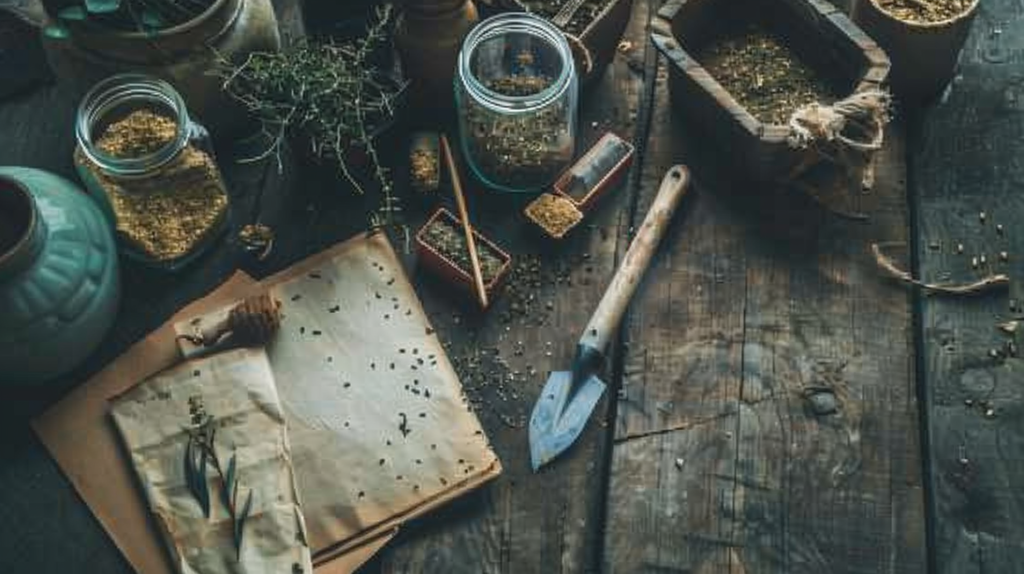
Heirloom seeds are worth the small upfront cost because you can save them year after year. That’s the whole homestead philosophy in seed form — invest once, benefit indefinitely. A solid heirloom seed starter kit covers your basics without overcomplicating your first garden.
Mason Jars — More Than You Think You Need
Mason jars are the duct tape of homestead life. You will use them for more things than you can currently imagine: sourdough starter, fermented vegetables, dried herbs, bone broth, bulk storage, gifting. Get a 12-pack early and thank yourself later.
3. Start With One Skill — Not Five
This is the mistake I see most often. Someone gets inspired, buys chickens, starts a sourdough starter, plants a garden, orders a grain mill, and signs up for a canning class — all in the same month. Three months later, they’re exhausted and nothing is thriving.
Pick one skill and go deep on it first. My recommendation: start with sourdough baking.
Here’s why sourdough is the perfect first homestead skill. It’s inexpensive to start (flour, water, a jar). It teaches you patience, observation, and the rhythm of working with living things. It produces something real and edible. And it will make you fall in love with the slower pace of this life before you’ve spent a single dollar on infrastructure.
Once you have your first sourdough loaf out of the oven, everything else about homesteading starts to make sense. If you’re ready to start, my post on how to make a sourdough starter from scratch is the place to begin.
4. The Beginner Homestead Checklist (What to Actually Do First)
Here’s the sequence that works. Not the Instagram version — the real version.
- Get your kitchen in order: a scale, mason jars, a cast iron skillet if you don’t have one
- Start a sourdough starter — this costs almost nothing and teaches you everything
- Plant one raised bed or a few containers of herbs and vegetables
- Learn one preservation skill: fermentation, dehydrating, or basic canning
- If you want chickens, research local ordinances before you buy a single bird
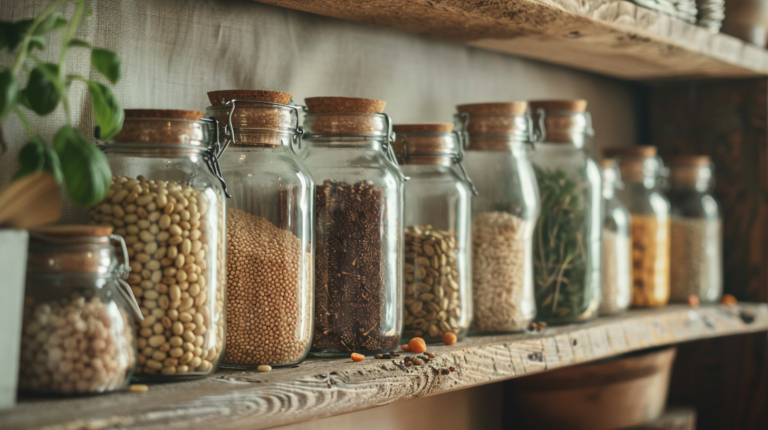
- Build a simple pantry stock: grains, legumes, salt, vinegar, oils
- Skip the grain mill until you’re baking regularly and know you want to mill your own flour
Notice what’s not on that list: chickens on day one, a root cellar, 14 raised beds, or a homestead aesthetic. Those things come later. The foundation comes first.
“I’ve been through it — the urge to do everything at once is real. But the homestead rewards patience more than hustle. I’ll save you the trauma of learning that the hard way.”
5. What You Can DIY vs. What You Should Just Buy
This took me a while to learn. The DIY instinct is strong in homestead culture — and sometimes it’s exactly right. Other times it costs you more in time, materials, and frustration than just buying the thing.
Worth DIYing
- Sourdough starter (literally just flour and water)
- Herb drying (hang bundles in a warm dry space)
- Fermented vegetables (mason jars, salt, and time)
- Basic compost bin (pallets, wire, or just a pile in the right spot)
- Seed saving from your first harvest
Worth Buying (At Least to Start)
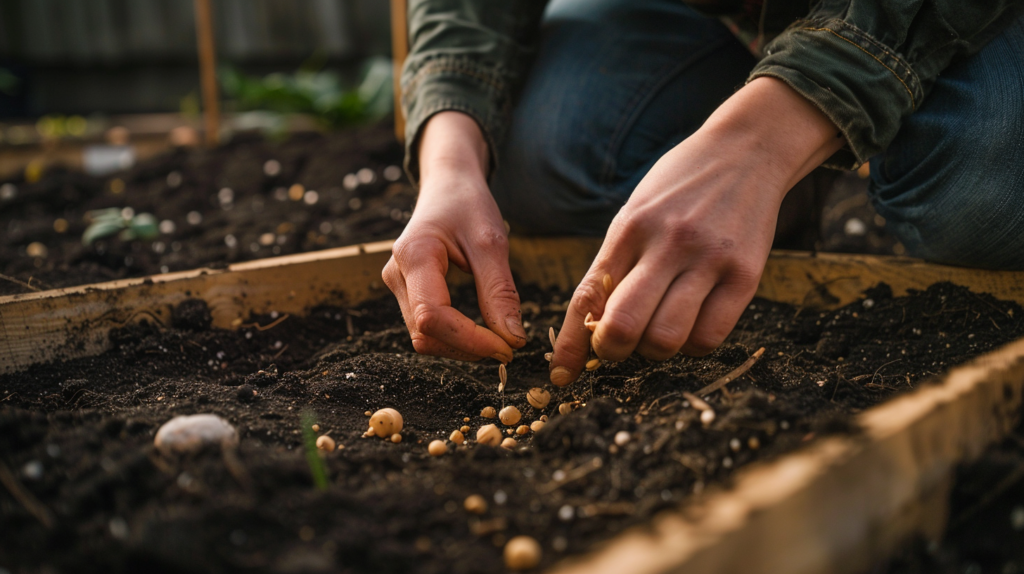
A raised bed kit — building your own from scratch takes specific lumber skills and usually costs more than you expect
- Canning lids — reusing old lids is how food goes bad
- A thermometer for fermentation and baking — guessing temperatures is how things fail
6. The Budget Homestead Mistakes to Avoid
None of these are catastrophic. But they will slow you down and cost you money you didn’t need to spend.
Buying Chickens Before You’re Ready
Chickens are wonderful. They’re also loud, messy, require predator-proof housing, and will absolutely find the one gap in your fence. Start your garden first. Get your kitchen rhythm down. Then get the birds.
Overbuying Seeds
Seed packets are irresistible, especially in late winter. But seeds expire, planting windows are real, and your first garden should be small enough that you can actually tend it. Buy what you’ll realistically plant this season and expand from there.
Skipping the Learning Phase
Homesteading has a learning curve, and the tuition is paid in failed batches and collapsed loaves and dead plants. This is normal. The mistake is expecting your first attempt to be perfect and quitting when it isn’t. Mine wasn’t. Nobody’s is.
7. Questions About Starting a Homestead on a Budget
How much money do you really need to start a homestead?
You can start for under $100 if you focus on sourdough baking, a small container garden, and simple food preservation. Most people spend $200–$500 in year one on seeds, basic supplies, and a few key tools. The big expenses (livestock, large raised beds, outbuildings) come later and can be phased in as income allows.
Can you homestead without land?
Yes — and more people do than you’d think. A balcony, a small backyard, or even a sunny windowsill can support herbs, sprouts, a sourdough starter, and fermented foods. The homestead mindset is about intentionality, not acreage. Start where you are.
What’s the first thing I should do to start homesteading?
Start a sourdough starter this week. It costs almost nothing, teaches you observation and patience, and produces something real to eat. From there, everything else will start to make sense. Once you have sourdough down, add one skill at a time.
Is homesteading cheaper than buying food from the store?
In the long run, yes — especially for eggs, garden produce, and preserved foods. In year one, you’re investing more than you’re saving. By year two or three, the math starts to work in your favor. Think of the first year as buying your education, not your groceries.
What if I live in a neighborhood with HOA restrictions?
Focus on indoor skills first: sourdough, fermentation, sprouting, kombucha. These require no outdoor space and no HOA approval. Many neighborhoods also allow small container gardens and raised beds in backyard spaces — check your specific rules before assuming you can’t.
Do I need a grain mill to start homesteading?
No. Start with quality store-bought flour and learn to bake first. A grain mill is a beautiful tool — I love mine — but it’s an intermediate upgrade, not a beginner requirement. Bake 20 loaves before you think about milling your own grain.
You Don’t Need the Perfect Setup to Start
The most common reason people don’t start a homestead isn’t money — it’s the feeling that they don’t have enough of the right things yet. Enough land. Enough knowledge. Enough time.
Here’s the honest truth: you have enough to start today. A jar, some flour, a few seed packets, and a willingness to fail your way forward. That’s how every real homestead begins.
Start with sourdough. Plant something. Learn one preservation skill. Build slowly. The rest follows.
When you’re ready for the next step, head over to the homestead pantry essentials post — it’ll show you exactly what to stock so you’re never starting from zero again.
“Real bread. Real life. Real ranch. — Ella”